
No Hot Water? What to Check First
Before you call a plumber, five minutes of checking can tell you whether it's a breaker, a thermostat, or a tank on its way out. Here's the order.
Is it really no hot water everywhere?
Start simple. Run the hot tap at a sink closest to the tank, then one far away. If one fixture is cold and others are fine, the problem is local, a failed faucet cartridge or a closed shutoff, not the tank. Plumbing repairs cover most single-fixture problems in one visit.
If every hot tap runs cold, the problem is at the source. That's actually good news, because it narrows the checklist.
Has a breaker or switch tripped?
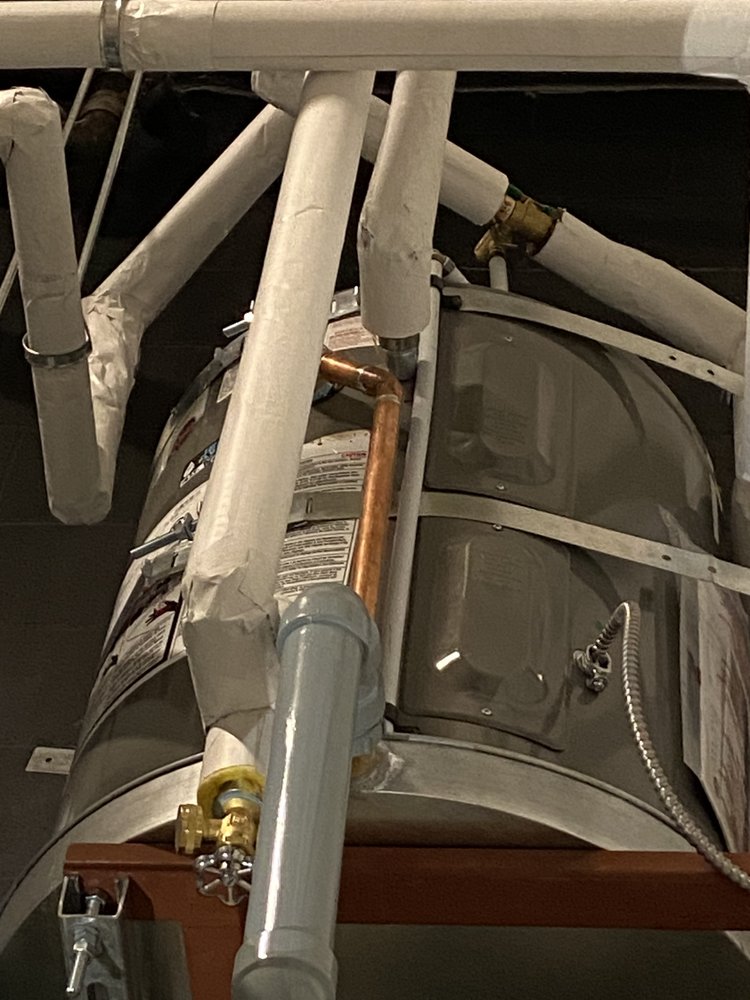
Electric tanks run on their own double-pole breaker in the panel. A tripped or partially tripped breaker is the number one cause of sudden cold water in electric-heated homes. Reset it once. If it trips again, don't keep resetting it; that's the tank or element telling you something, and a plumber should look before it becomes a burnt element or worse.
While you're at the tank, check the water is actually on. The cold inlet valve should be fully open, and if someone closed it during recent work, the tank can't refill or heat.
Is the tank leaking or just quiet?
Look at the base. Water on the floor under the tank means a body leak or a failing fitting, and that changes the conversation from repair to replacement. A tank leaking from the body is done; shut off the cold inlet valve and plan a replacement.
A tank that's dry but silent is a different job, usually an element or thermostat on an electric unit. The hot water tank service page explains the repair-or-replace rule of thumb: parts on a young tank are worth fixing, leaks on an old one aren't.
What should you tell the plumber?
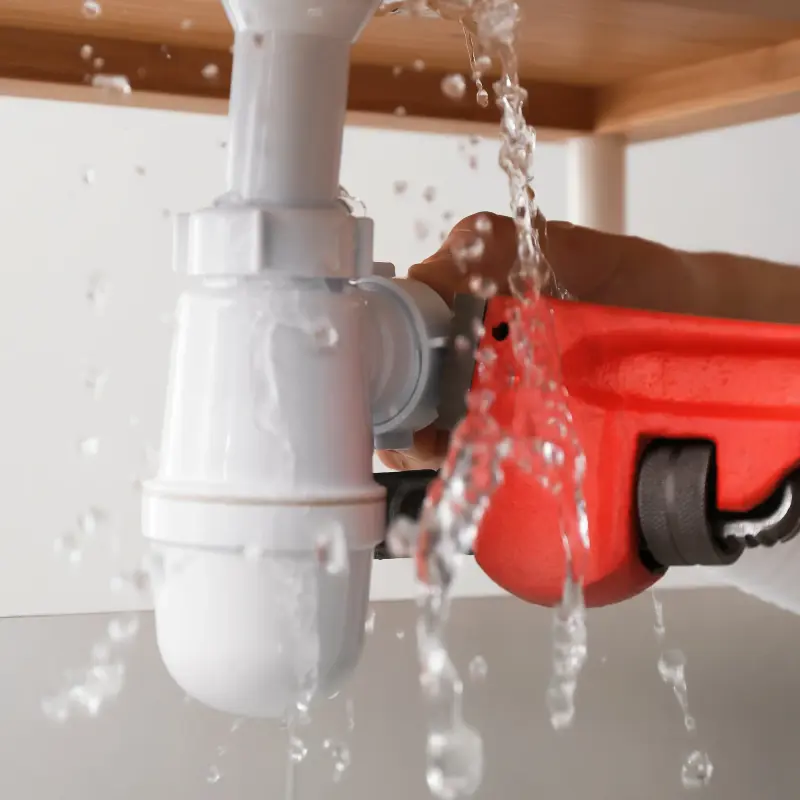
Text a photo of the tank, the label, and the area around the base, along with what you checked. That's usually enough for a quote before anyone drives out. It's how Jeff handles most no-hot-water calls, and it means he arrives with the right parts.
For real emergencies, a burst line or an active leak, shut the main water valve first, then call. Same-day service runs Monday to Saturday, 7 am to 7 pm. The emergency page explains what counts as same-day urgent.
How do you keep this from happening again?
Annual checks catch most tank problems early: test the relief valve, look for rust at the base, and flush the sediment if the tank rumbles. Sediment is what kills elements and eats tank life.
If your tank is past ten years old, plan the replacement instead of waiting for the puddle. Same-day swaps are available across Abbotsford and the Fraser Valley, and planning one costs nothing but the phone call.
Winter is the other half of the story in this valley. Arctic outflow events can drop temperatures from around 0C to -10C or -15C within hours, and the region's homes are built for rain, not deep freezes. Uninsulated crawlspaces, unheated garages, and older hose bibs are where pipes burst. Winterize outdoor lines before the first outflow warning and keep heat on in cold corners of the house.
Sources and further reading.
The rules and facts in this article come from the official sources below. When in doubt, your municipality's building department has the final word.
- City of Mission building permits — Mission requires a permit for hot water tank replacement
- Technical Safety BC — the authority for gas-fired water heater work
- BC Building Codes and Standards (Gov BC) — code references for water heater installation
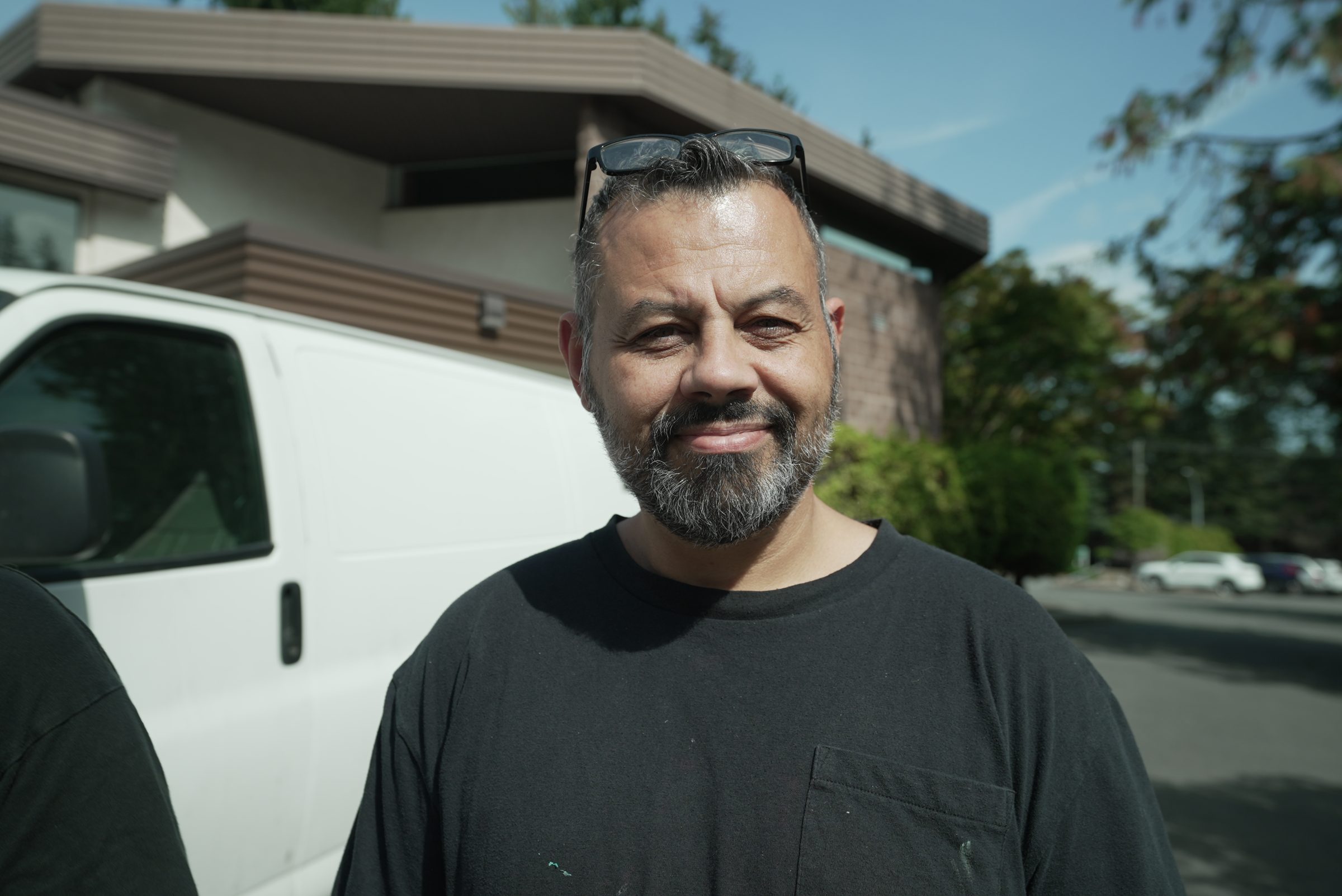
Jeff Wood
Jeff Wood started plumbing in 2004 and earned his Red Seal in 2009. He worked for established companies in the Fraser Valley before starting Jeff's Plumbing in 2012.
Red Seal Certified Plumber #00110-PL10, 2009 · Licensed, insured, WorkSafeBC covered, bondable · In the trade since 2004 · BBB A+ rating · jeffsplumbingbc@gmail.com· About Jeff's Plumbing